Content
Meteorology-Climatology
Notice
Applications are no longer being accepted as of December 6, 2025.
Program Features
Focus and Range
Students dive deep into meteorology-climatology while taking a wide variety of courses across all areas in the College of Arts and Sciences. Alumni are academically well-rounded, eager to keep learning, and use collaboration and communication skills to address complex problems and make a positive impact professionally and personally.
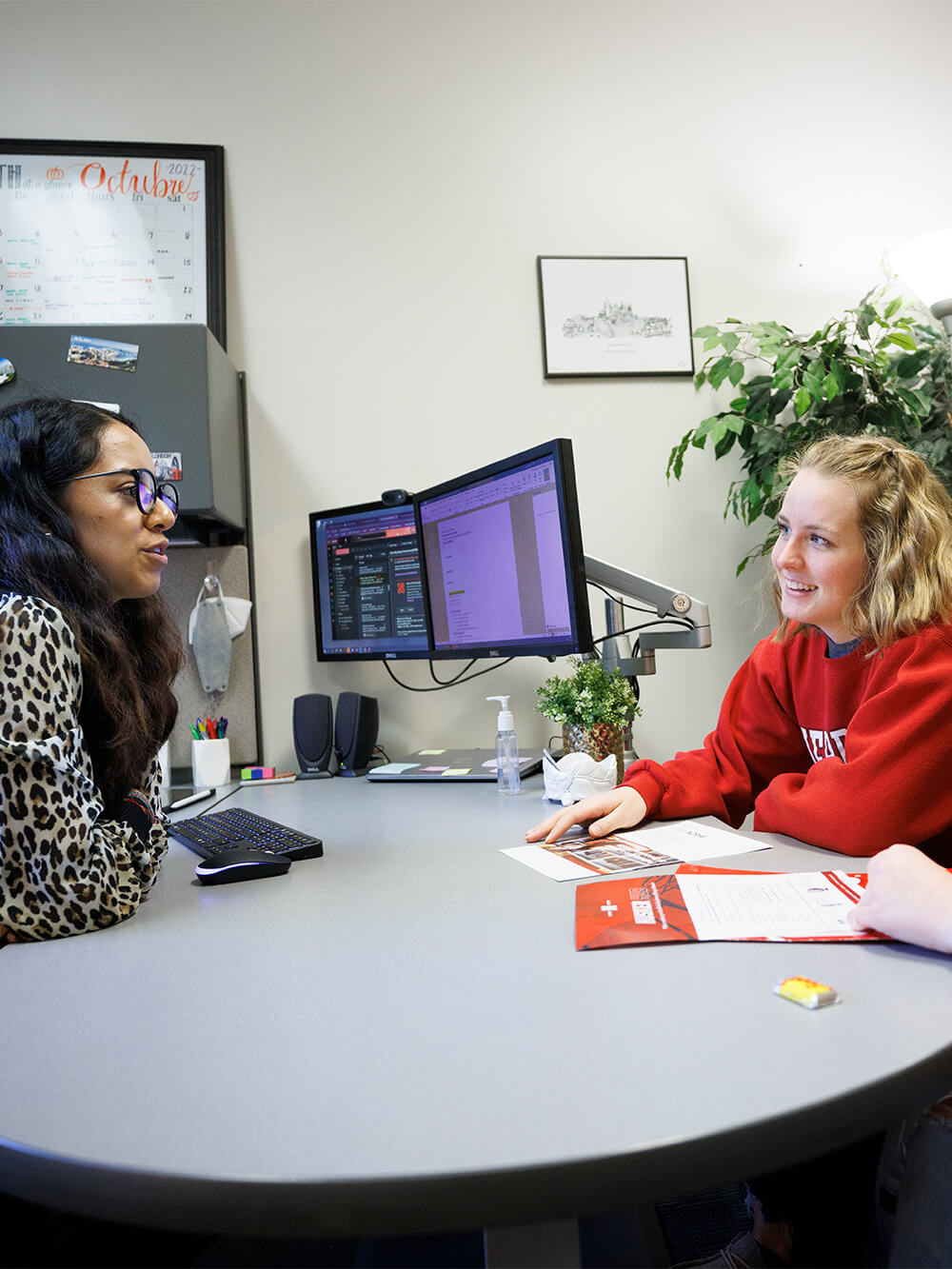
1-to-1 Academic Advising and Career Coaching
Faculty, academic advisors, and career coaches assist with making a one-of-a-kind degree plan. They are focused on each student's success, while at Nebraska and after graduation, whether the goal is employment or graduate/professional school.
Students Learn From the Experts
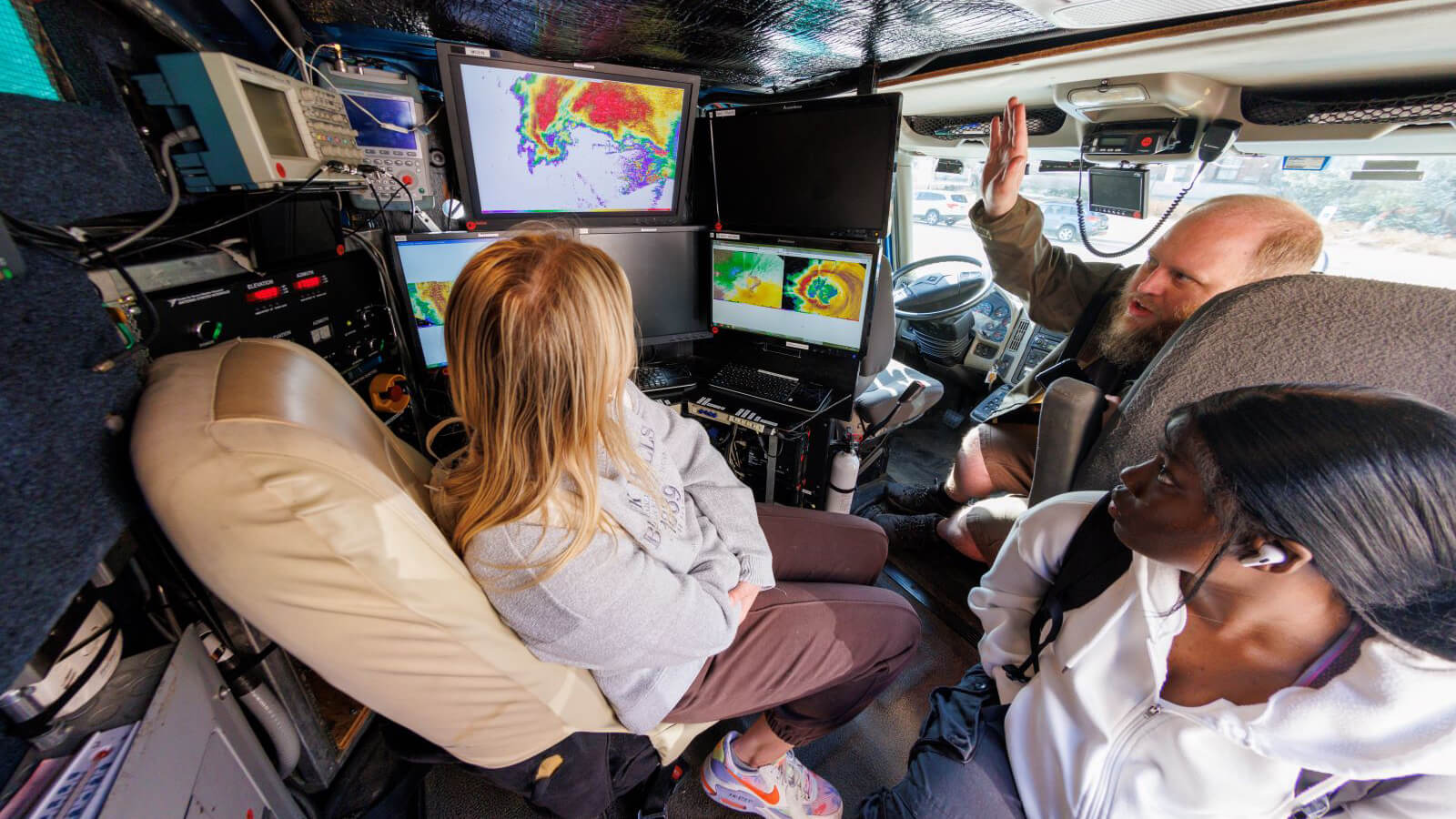
Meteorology-climatology faculty are part of weather and climate research projects worldwide and specialize in earth, air and water, from the Antarctic to the Arctic.
Notable Courses
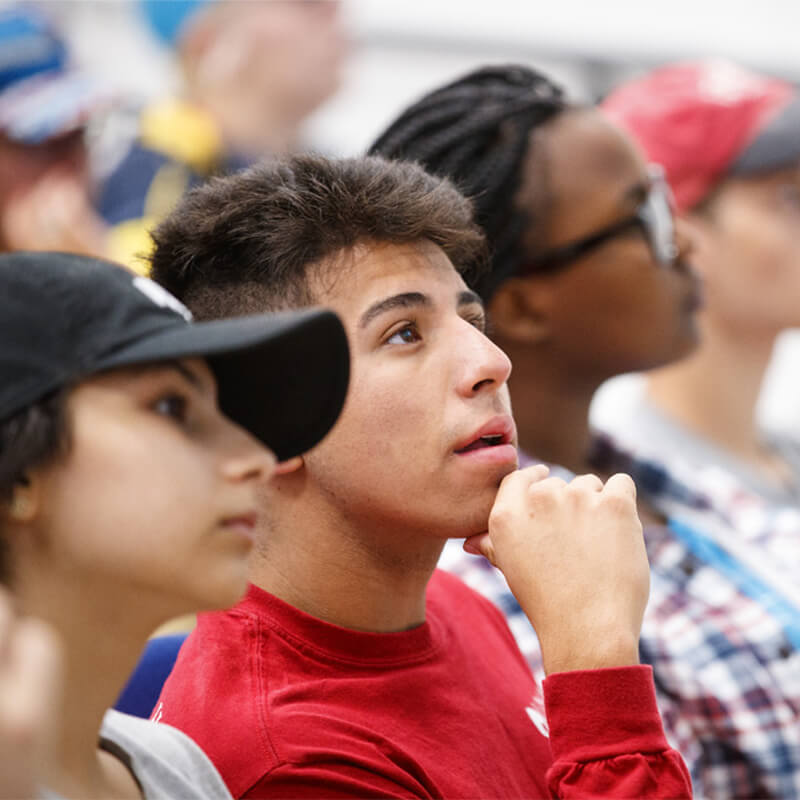
Weather and Climate (METR 100)
Physical behavior of the atmosphere; elements of weather and climate, weather map analysis and forecasting. Atmospheric circulation, precipitation, severe weather, air pollution and weather radar.
Introduction to Scientific Programming in Atmospheric Science (METR 153)
Problem solving with computers using MATLAB, including language syntax, data types, program organization, problem-solving methods, algorithm design and verification.
Global Warming: Science, Impact, and Solutions (METR 270)
Climate change at global, regional and local scales, with exploration of impacts, vulnerability and adaptations.
Severe Storms Meteorology (METR 443)
Dynamics, forecasting and case studies of high-impact summertime and wintertime weather hazards.
Radar Meteorology (METR 463)
Fundamental principles of weather radars and application through field observations of severe thunderstorms.
Tropical Meteorology (METR 471)
Atmospheric phenomena unique to the tropics and their connection to the global circulation.
Huskers Do Big Things
Internships
- Intern, Los Alamos National Laboratory
- Weather Intern, Channel 8
- Research Assistant, University of Nebraska–Lincoln
- Intern, National Weather Service, Hastings, Nebraska
- Intern, NASA
- Intern, MMC Contractor
Careers
- Environment scientist II, North Dakota Department of Environment Quality
- Palace acquire program, U.S. Air Force 557 Weather Wing
- Systems engineer, Northrop Grumman
- Coding specialist, National Research Corporation
- Meteorologist, National Weather Service
Graduate Schools
- Master’s degree, Environment and Society, Utah State University
- Master’s degree, Geospatial Analysis, East Tennessee State University
- Master’s degree, Meteorology, University of Oklahoma
- Master’s degree, Meteorology, University of Nebraska–Lincoln
- Ph.D., Earth & Atmospheric Science, Meteorology/Climatology, University of Nebraska–Lincoln
Outside the Classroom
Students conduct research, work as an intern, study abroad, become a leader, or serve their community based on their goals and interests. The university’s Experiential Learning requirement ensures at least one of these transformative learning experiences; students in the College of Arts and Sciences typically complete at least two.
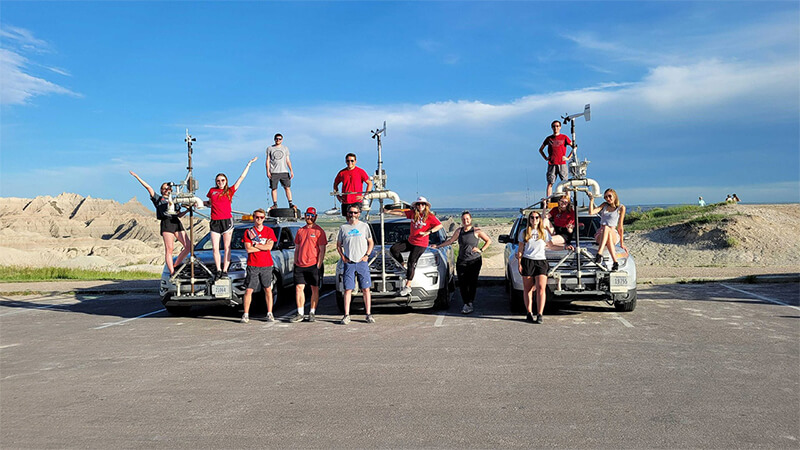
Students work alongside a faculty member as a research assistant or design research projects through the Undergraduate Creative Activities and Research Experience (UCARE) program.
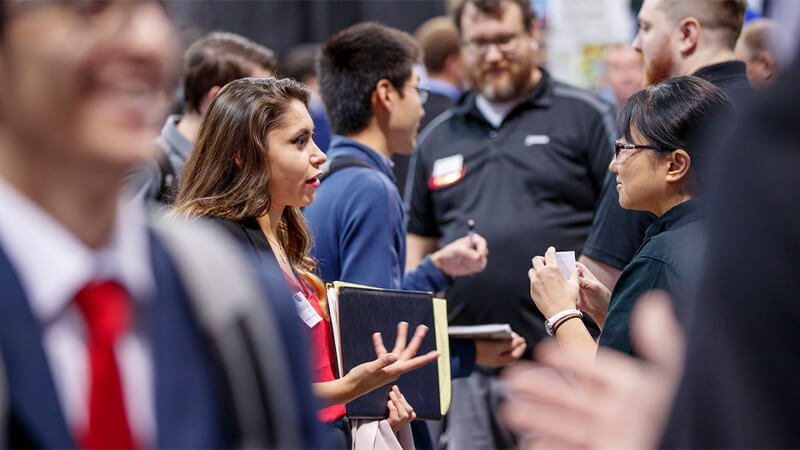
Local, national and international internships provide experience, and career coaches identify opportunities and document the skills and experience you gain on the job.
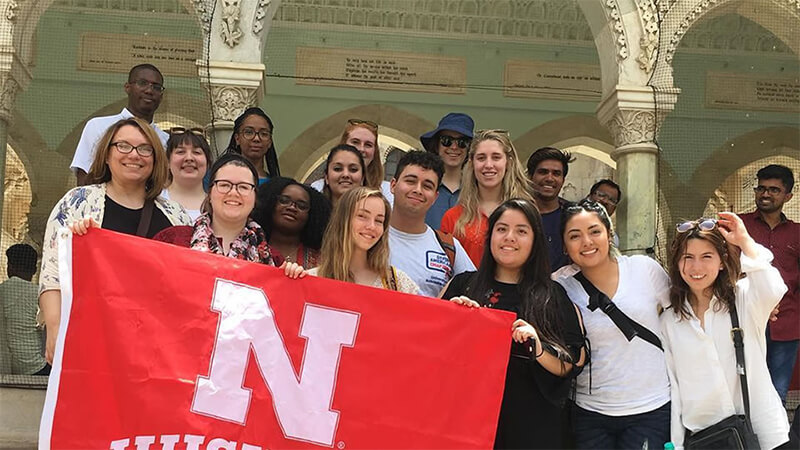
The Global Experiences Office assists in finding an affiliate program in almost any location.
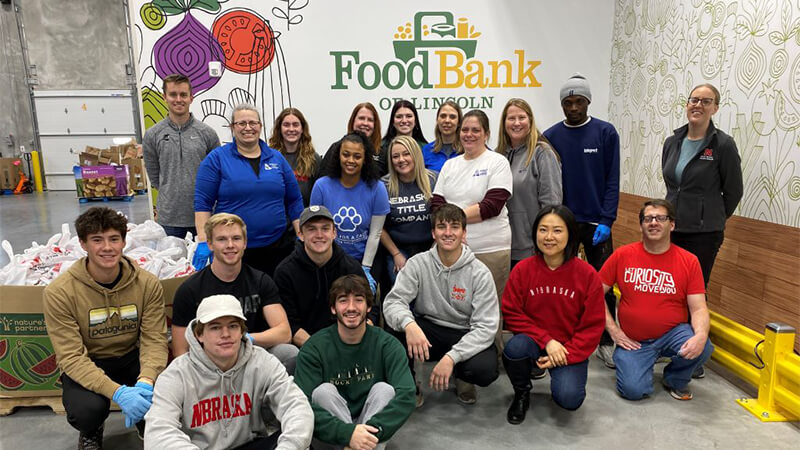
Over 540 student organizations are available at Nebraska for meet peers, becoming a leader, or serving the community.
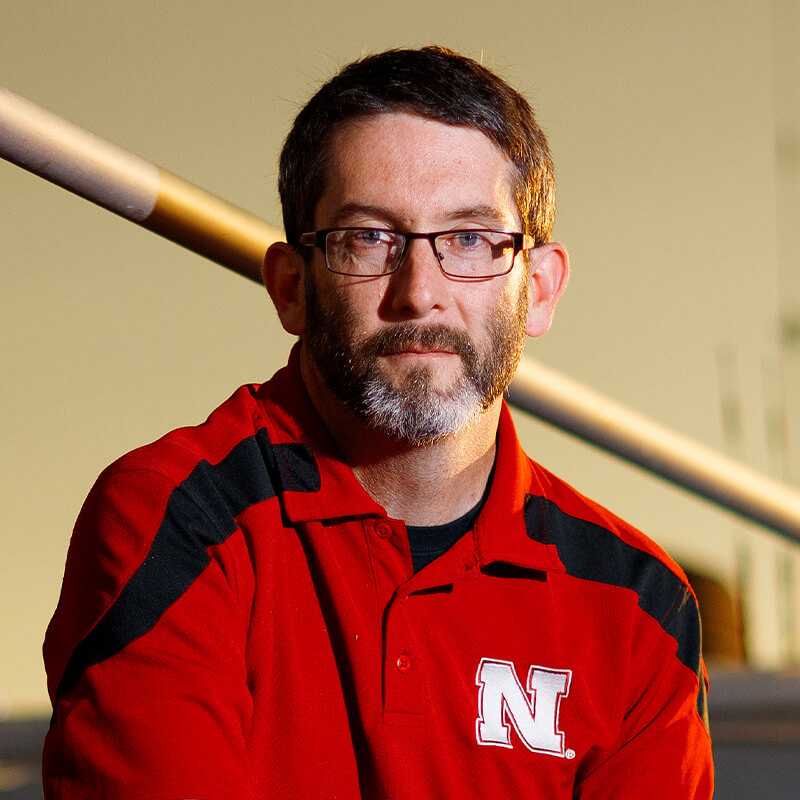
Featured Faculty
Adam Houston, Professor
Dr. Houston studies cloud-scale and mesoscale phenomena to increase the knowledge and prediction of severe storms. He leads the Severe Storms Research Group and is one of seven principal researchers for the multi-institutional TORUS (Targeted Observation by Radars and UAS of Supercells) project.
Academics & Experiential Learning
- Our motto is Academics + Experience = Opportunities. Employers and graduate/professional schools are looking for students who have a strong academic background and hands-on experience.
- Students regularly engage in research or internships, and many study abroad or get involved in service or leadership on campus and beyond.
Career Preparedness
- CASC 200: Career Development in Arts and Sciences. Students explore interests, abilities and values while identifying career options and preparing to apply for internships, jobs or graduate/professional school.
Community
- Students in Earth and Atmospheric Science (SEAS) connects with peers and faculty as well as guest speakers and alumni.